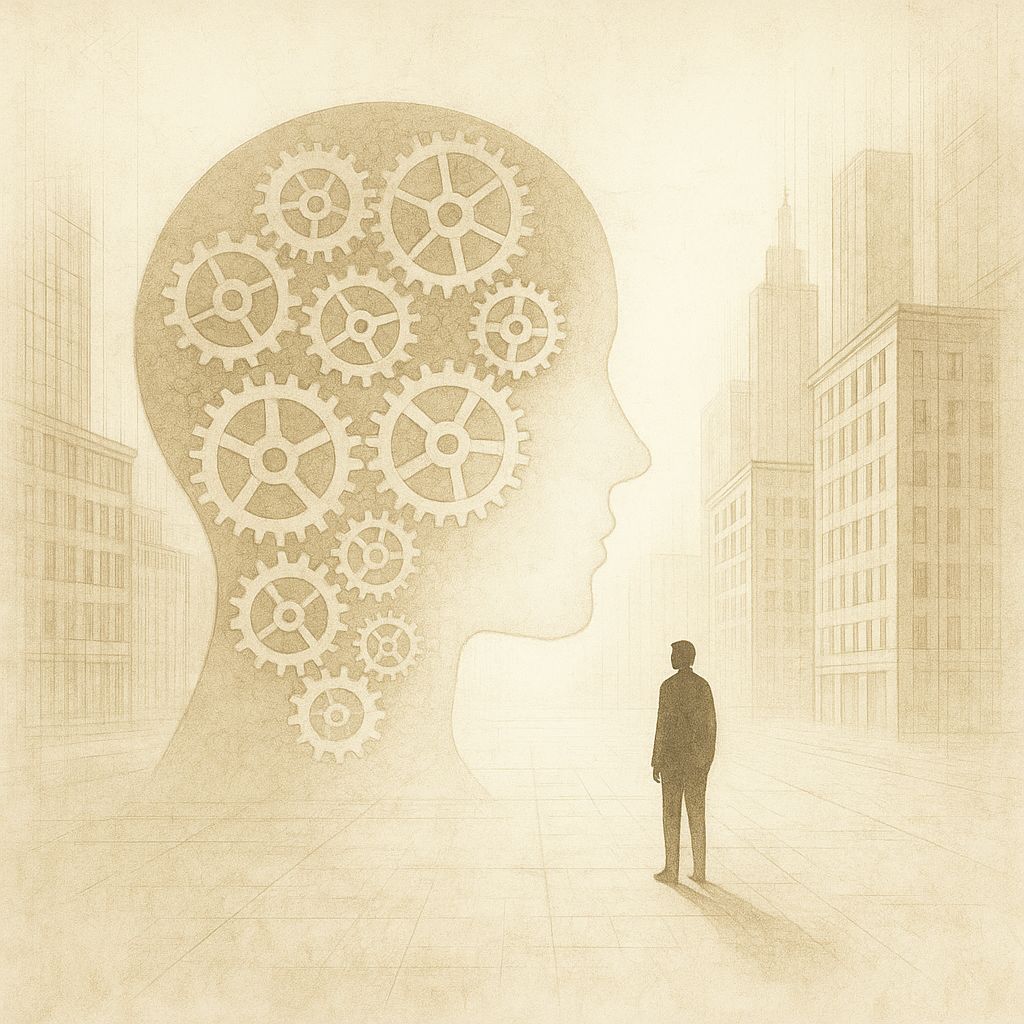
Terapi for dig, der føler og tænker dybt
Går du rundt med svære tanker og følelser? Har du svært ved at udfolde dig kreativt og føles noget i livet fjernt? Har du tabt fornemmelsen af retning i livet, eller er den måske endda aldrig dukket op? Er forholdet til dine nærmeste - forældre, børn, kæreste, søskende - for konfliktfyldt?
En væsentlig del af den moderne tilstand er, at vi bliver fjerne fra os selv, vores arbejde, og menneskerne omkring. Med angst, koncentrationsbesvær, svære relationer, eller depression til følge. Her er der hjælp at finde.
Hos mig kan du bl.a. arbejde med problemer som:
Depression: Hvor det føles uendeligt tungt at foretage sig arbejde, at mødes med venner og familie, og at du måske oplever en konstant, knugende tristhed, der ikke kan forklares.
Meningstab: Oplevelsen af, at livet ikke har den retning, du havde tænkt, at det skulle have. Det kan være, at du føler dig fanget i hamsterhjulet. At drømmen om familie og det gode job nu føles klaustrofobisk. Eller slet og ret, at du har tabt det store mål af syne midt i alle forpligtelserne.
Tab af nærhed: Fornemmelsen af, at kontakten mellem dig og dine nærmeste ikke rigtigt er der. Måske oplever du, at I kommunikerer dårligt. Måske kan du endda mærke en direkte ensomhed, når I er sammen. Det kan også være som en følelse af et ‘filter’, som et dugget stykke glas, der er sat op mellem dig, og dem, du er tæt på.
Angst: Fornemmelsen af en ubehagelig og oftest ukonstruktiv uro i kroppen. Måske har du svært ved at sidde stille. Måske bekymrer du dig bevidst og ubevidst. Eller måske oplever du fysiologiske tegn som tilfælde med forhøjet puls, temperatursvingninger og (kold-) sved.
Tankemylder og rumination: Oplevelsen af, at tanker presser sig på, og at de går i ring. Måske genåbner du hele tiden problemstillinger. Måske bekymrer du dig om noget, der officielt er ufarligt. Eller du overvejer hele tiden, hvad andre synes om dig. Måske foregår det i store dele af de vågne timer - eller måske også om natten.
Overforbrug og misbrug: Oplevelsen af, at du bruger din telefon, slik, mad, alkohol, TV, sociale medier, stoffer, eller arbejde på en måde, der føles ufri - altså hvor det er svært at lade være - og hvor det tager tid, fokus og nærvær fra den måde, du har lyst til at være til stede på.
… Og mange andre problemstillinger: Jeg er ikke ekspert på alt, men vi kan hurtigt finde ud af, om det, du kæmper med, er noget, jeg kan hjælpe med. Hvis det ikke er, har jeg typisk kollegaer, jeg kan henvise videre til.
Er du også nysgerrig på at arbejde med dig selv - men måske bange for at blive for navlebeskuende eller selvoptaget?
Svært at komme i gang?
Så er du ikke alene. Rigtigt mange mennesker går rundt med et tilsyneladende dilemma: De føler, at en hel del “ikke er rigtigt” - måske med den slags problemer, jeg har beskrevet ovenfor.
Men samtidig har de også en modstand mod at skulle bruge tid, penge, og ikke mindst opmærksomhed på sig selv. Det er helt normalt, at man føler en væsentlig modstand mod at komme i gang. Psykologisk skyldes det bl.a., at de dele af vores sind, der giver os problemer, også er dem, der siger fra over for at blive hjulpet.
Men det skyldes også en sund skepsis: for er det, verden har brug for, virkeligt at vi bruger mere tid på os selv?
Individuel terapi i et hyperindividualiseret samfund
Der eksisterer et helt åbenlyst modsætningsforhold i moderne terapi: Temmeligt meget af behovet for terapi kommer fra, at vi har udviklet et meget individualiseret samfund. Vi har en masse frihed til at gøre, som det passer os. Det er dejligt. Men det kommer også med et meget stort ansvar. Hvis noget går galt, er der kun os selv at bebrejde - eller sådan forstår vi det.
Samtidig er det også på mange måder forkert. Det er en historie, som vi fortæller hinanden i vores samfund, der gør, at tingene kan forblive, som de er - en såkaldt ideologi.
Derfor er der også et dilemma i individuelt at opsøge terapi som løsning på problemer, der er blevet værre af netop den øgede individualisering. For risikerer man ikke netop at gøre det hele værre: at blive endnu mere selvoptaget, navlebeskuende, og i sidste ende måske mere ulykkelig af bruge mere tid på sig selv?
Desværre: jo. Det kan blive resultatet. Og derfor er Danmark, som andre, vestlige lande, da også på én og samme tid et sted, hvor mange er både er ‘overbehandlede’ og ‘underbehandlede’. Vi beskæftiger os altså både for meget og for lidt med os selv og vores indre. Det er oplagt et paradoks, og dette paradoks er i sig selv kilden til megen af vores ulykke.
En vej ud af paradokset
Men det behøver ikke at være sådan. Det kræver dog, at terapien søger at finde sammenhænge mellem det individuelle og det sociale. Min løsning på paradokset er derfor at inddrage det sociale som et aktivt, levende aspekt i den individuelle terapi.
Til det formål bruger jeg både anerkendte, kliniske værktøjer som intensiv dynamisk korttidsterapi (ISTDP), elementer af dybdepsykologiske indsigter, samt en lang række sociologiske og filosofiske indsigter, som jeg arbejder med at omdanne til at give umiddelbar, følelsesmæssig og klinisk betydning.